
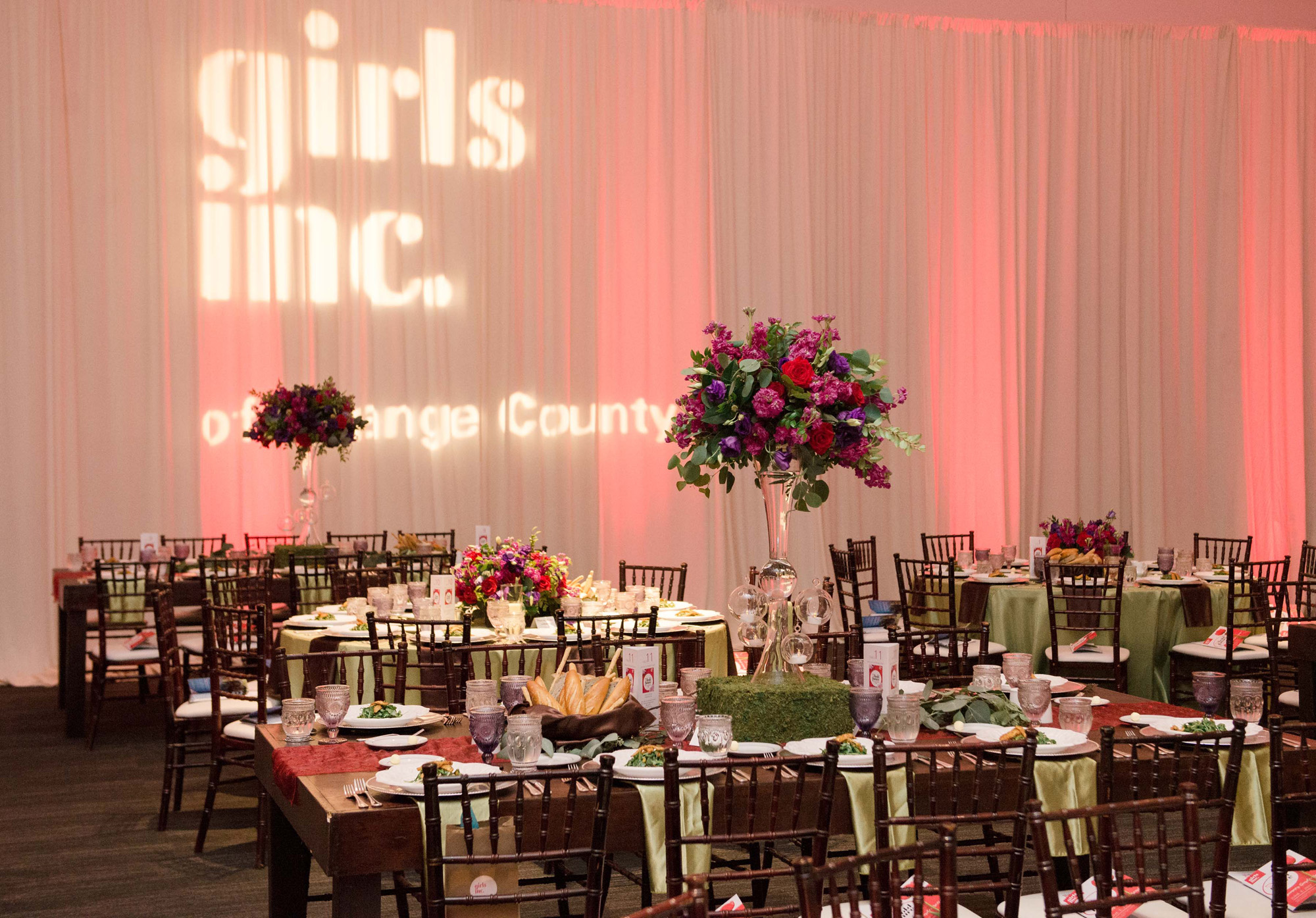
How Business Gatherings Are Evolving Beyond the Traditional Ballroom Model
Corporate events have gotten… interesting lately. And I don’t mean interesting in that polite way people use when they can’t think of a better word. I mean genuinely, noticeably different from what companies were doing even three years ago.
The forced virtual pivot during the pandemic broke a lot of assumptions about how business gatherings had to function. Now that we’re firmly back to in-person events (with some strategic virtual elements), companies aren’t just reverting to the old playbook. They’re rethinking what these gatherings should accomplish and how design plays into that.
At 2Create Designs, we work on the visual and experiential side of corporate events throughout Orange County and Southern California. We’re not the ones coordinating your vendors or managing registration (that’s what your event planner or internal team does). But we are designing the environments where your business objectives get realized. And from that vantage point, we’re seeing some clear shifts in what companies are prioritizing as we head into 2026.
Experiences Over Transactions
 Here’s something that’s become pretty obvious: nobody gets excited about “networking opportunities” anymore. The phrase itself sounds like a punishment.
What we’re seeing instead is companies trying to create actual experiences that people remember and talk about afterward, not just because they’re supposed to but because something genuinely interesting happened.
This shift affects design in concrete ways. Instead of one big ballroom with uniform round tables, we’re creating distinct zones within event spaces. A lounge area that doesn’t feel like an afterthought. Interactive stations that serve actual purpose beyond being Instagram moments (though they better photograph well too, let’s be honest). Spaces designed for different types of interaction rather than assuming everyone wants to stand around holding wine glasses.
According to research from Stanford Graduate School of Business, meaningful workplace connections happen more through shared experiences than forced networking situations. Smart companies are designing events around that insight rather than fighting it.
The design conversation has shifted from “make it look professional” to “make it facilitate what we’re actually trying to accomplish here.” If you’re doing a product launch, the environment should build anticipation and showcase the product naturally. If you’re celebrating team milestones, the space should feel genuinely celebratory rather than corporately sterile. Employee appreciation events need to actually feel appreciative, which is harder than it sounds when you’re working with hotel ballrooms and limited budgets.
What this means practically: we’re spending more time understanding what the company is trying to achieve before we start talking about color palettes and furniture choices. The design needs to support the purpose, not just decorate the space.
Sustainability Isn’t a Trend, It’s Standard
Look, I’m going to be straight about this. Around five years ago, when a company asked about sustainable event design, it usually meant they had one passionate person on their team pushing for it, or they were trying to win over a particularly eco-conscious client demographic.
That’s changed. Now it’s just… expected? Especially in Southern California where environmental consciousness is pretty baked into the culture. Companies aren’t asking “should we consider sustainability?” They’re asking “how do we make this event sustainable without it looking cheap or compromised?”
From a design perspective, this has actually pushed us toward better solutions. Reusable design elements that can be configured differently for different events. Furniture and decor pieces that are inherently sustainable because they’re rental items used repeatedly rather than disposable decorations. Locally sourced florals that don’t require cross-country shipping. Digital signage and presentations that eliminate printed materials without feeling like we’re just cutting corners.
The EPA’s Greener Products program has resources on sustainable event practices that have genuinely influenced how we think about material choices and waste reduction in corporate event design.
But here’s where it gets tricky: sustainable doesn’t always mean what people think it means. Using lots of live plants sounds eco-friendly until you realize they might not survive after the event and end up as waste anyway. Real flowers have a carbon footprint from growing and shipping but they biodegrade, while high-quality silk alternatives last forever but are essentially plastic. The math isn’t always straightforward.
What we’re landing on for most corporate clients is a hybrid approach. Invest in quality reusable elements for the big structural pieces. Use real but locally grown florals for focal points. Digital where it makes sense. And honestly assess what’s actually needed versus what’s just tradition because “that’s how corporate events look.”
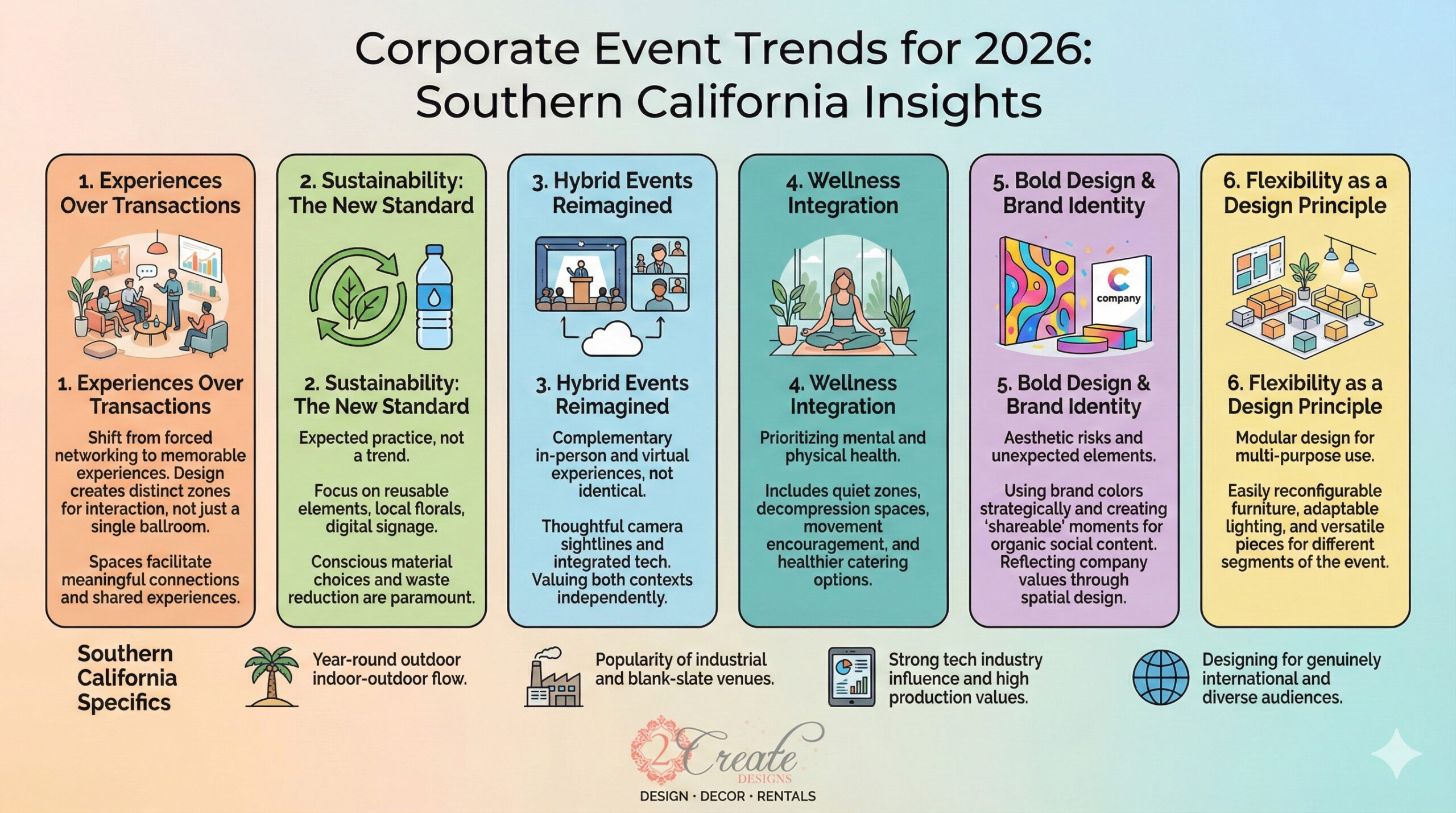
Hybrid Events That Don’t Suck
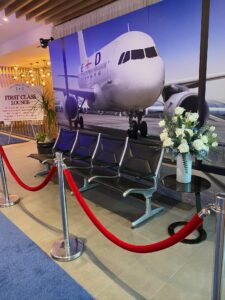 Okay so hybrid events. Everyone learned during the pandemic that virtual events are possible but also that staring at a screen of tiny faces for three hours is nobody’s idea of a good time.
The hybrid events that actually work in 2026 aren’t trying to give remote participants the exact same experience as in-person attendees. That’s impossible and attempting it usually makes both experiences worse. Instead, they’re designing two complementary experiences that acknowledge the different contexts.
From a physical design standpoint, this means thinking about camera sight lines when we’re positioning the stage or keynote area. It means creating visual moments that read clearly on screen even though they’re designed for an in-person space. Sometimes it means having a dedicated remote participation area with better audio and video setup that feels integrated rather than tacked on.
The companies getting this right are usually the ones who’ve accepted that hybrid means different, not lesser. The remote experience might include elements the in-person attendees don’t get. The in-person experience definitely has elements that can’t be replicated virtually. Both can be valuable without being identical.
Honestly though? Not every corporate event should be hybrid. Sometimes you’re gathering people specifically because being in the same physical space matters. That’s fine. The trend isn’t that everything must be hybrid, it’s that when companies do go hybrid, they’re approaching it more thoughtfully than those desperate 2020-2021 experiments.
Wellness Integration (Finally)
Mental health awareness has changed how companies think about employee gatherings, and thank goodness because the old model of pack-everyone-in-a-ballroom-for-eight-hours was exhausting even when it wasn’t supposed to be.
We’re seeing requests for quiet zones or decompression spaces built into larger corporate events. These aren’t elaborate meditation rooms, just thoughtfully designed areas where someone can step away from the crowd without leaving the venue entirely. Sometimes it’s a lounge area with better lighting and comfortable seating positioned away from the main traffic flow. Sometimes it’s an outdoor space that’s been made welcoming rather than leaving it as an afterthought patio.
Movement matters too. Companies are rethinking the assumption that everyone should sit in chairs for hours. Standing-height tables for part of the event. Spaces designed to encourage walking and exploration rather than passive sitting. This isn’t about forcing everyone into yoga sessions (please, let’s not), it’s about acknowledging that humans weren’t designed to be sedentary for extended periods.
The catering conversation has gotten more interesting as well. It’s not just about dietary restrictions anymore (though that’s still important). Companies are thinking about how food affects energy levels, when to schedule coffee service, whether the bar should open before or after the main programming. These decisions influence the design because we’re creating environments that support the entire experience, not just decorate it.
And lighting. We could write an entire post just on lighting (we probably will at some point), but the quick version is that corporate events have figured out that fluorescent ballroom lighting is terrible for everyone. Warmer tones, varied lighting levels, giving people’s eyes and brains a break from harsh overhead lights, these aren’t luxuries anymore.
Design Is Getting Bold
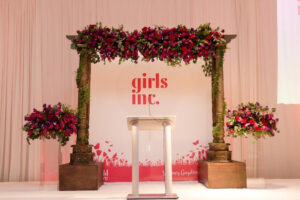 Remember when corporate events all looked basically the same? Blues and grays, maybe some white accents, very safe, very professional, very forgettable?
That’s changing, and it’s being driven partly by younger employees who have different expectations about what professional environments should look like. They’ve worked in offices with bold colors and creative spaces. They’ve attended events that took aesthetic risks. The old “corporate professional means visually boring” equation doesn’t hold the same weight.
We’re getting asked to bring in unexpected colors, interesting textures, design elements that feel more like art installations than traditional event decor. Not every company is ready to go full avant-garde (and honestly, not every event should), but there’s definitely more willingness to take risks.
Brand identity is playing a bigger role too. Companies want their events to feel distinctly theirs, not like a generic corporate gathering that could belong to any business. This means actually using brand colors in interesting ways rather than just slapping logos everywhere. It means thinking about how a company’s values or culture could be expressed through spatial design.
The Instagram factor is real whether we want to acknowledge it or not. Companies know that if they create visually striking moments, attendees will photograph and share them. That organic social content has value. So there’s strategic thinking about creating “shareable” design moments that don’t feel forced or artificial.
But here’s the balance: bold design still needs to serve the event’s purpose. A product launch can (and probably should) be visually dramatic. A somber company meeting addressing serious issues needs different design choices. The trend isn’t that everything should be maximalist or attention-grabbing, it’s that companies are more willing to make intentional design choices that reflect what the event is actually about.
Flexibility as a Design Principle
Corporate events often need to do multiple things within the same timeframe or space. Morning keynote, breakout sessions, networking lunch, afternoon workshops, evening reception. Trying to make one static design work for all those different purposes is… challenging.
Modular design approaches have become essential. Furniture that can be easily reconfigured. Lighting systems that adapt to different needs throughout the day. Draping or partition systems that can create different spatial configurations quickly.
From our rental inventory in Anaheim, we’re seeing a lot more requests for versatile pieces rather than specialized items. Lounge furniture that can work in multiple configurations. Tables that adjust in height or can be combined in different ways. Design elements that can be repositioned rather than locked into one setup.
This flexibility is partly about budget (making one venue rental work harder) and partly about creating better experiences. The space where people have serious work conversations in the afternoon can transform into a celebratory environment for the evening reception without feeling like a completely different event.
The companies that do this well are usually the ones who’ve thought through the entire day’s flow before we start designing anything. They know when transitions will happen, what each segment needs to accomplish, where the pressure points will be. Then we can design systems that support those transitions rather than fighting them.
What’s Specific to Southern California
Orange County and the broader Los Angeles area have their own particular influences on corporate event design that might not apply everywhere.
The climate, obviously. Year-round outdoor event possibilities change what’s feasible. We design a lot of indoor-outdoor flow situations that just wouldn’t work in regions with less predictable weather. Corporate clients take advantage of patios, courtyards, rooftop spaces as integrated parts of their events rather than weather-dependent contingencies.
Warehouse and industrial venue popularity has exploded, particularly for tech companies and creative industries. These blank-slate spaces let companies create completely custom environments, but they also require more design investment because you’re starting from basically nothing. The trend toward industrial chic isn’t just aesthetic, it’s partly driven by venue availability and pricing in expensive Southern California real estate markets.
The tech industry influence is real even for non-tech companies. Expectations around technology integration, innovation in event design, and generally elevated production values have been shaped by what major tech companies do for their corporate events. That’s created a rising tide that affects everyone.
Cultural diversity in Southern California means corporate events often need to work for genuinely international audiences. Design choices that read well across different cultural contexts. Food and beverage options that reflect the region’s diversity. This is less of a trend and more of a constant factor that shapes how we approach corporate design in this market.
Where We Fit In
So here’s the practical reality: corporate events involve a lot of moving pieces and a lot of different vendors. Sometimes companies have internal event coordinators handling everything. Sometimes they hire full-service event planners. Sometimes it’s a committee of employees who got voluntold to organize the holiday party.
2Create Designs focuses specifically on the design, decor, and rental side. We’re the ones figuring out how to make your venue look and feel right for what you’re trying to accomplish. We source or create the design elements. We handle the furniture, linens, lighting equipment, whatever physical pieces you need. We coordinate delivery, setup, breakdown.
We work alongside your event planner or internal team, not instead of them. Good planners appreciate having specialized design partners because it means they can focus on logistics, vendor coordination, and timeline management while trusting that the visual and experiential elements are being handled by people who do this full-time.
The trend that affects this most significantly is that corporate clients increasingly understand the difference between event planning and event design. They’re not interchangeable skill sets. You need both, but they’re different specializations. Companies that get this distinction tend to have better outcomes because they’re building teams with complementary expertise rather than expecting one vendor to be expert at everything.
From our Anaheim location, we serve corporate clients throughout Orange County and Southern California. Tech companies in Irvine, professional services firms in Newport Beach, manufacturing companies throughout the Inland Empire, creative agencies in Los Angeles. The industry varies but the need for thoughtful, strategic event design remains consistent.
If you’re planning a corporate event in 2026 and want to work with a design team that understands current trends while still keeping focus on your specific objectives, let’s talk. Contact 2Create Designs to discuss how we can bring your vision to life. Check out our corporate event gallery to see examples of our work, or learn more about our event rental inventory.